Engaging Sensory Activities for Children in Residential Care Homes
Many children living in residential care homes may have trauma, neglect, or learning disabilities, and so providing the right environment is absolutely essential. Research shows that sensory activities are an excellent way to foster stability and positive interactions.
Children’s home managers can help their well-being, social integration, and development by including interesting sensory games for them while completing regular activities. This blog looks at several sensory activities, their advantages, and how best to carry them out in a residential care home environment.
What are sensory activities, and how might they benefit children living in homes?
Sensory activities involve one or more of the five senses—sight, sound, touch, taste, and scent, and structured sensory play can give children a therapeutic outlet, lowering their anxiety and enhancing their focus.
Past trauma or unstable surroundings can cause many children to struggle with emotional management. One of the most important benefits sensory activities offer is to assist in emotional control. Sensory activities provide a safe and helpful means for them to communicate their feelings, thus lowering their chance of outbursts or anxiety.
Another important advantage is cognitive development. Activities including tactile exploration, puzzles, and auditory stimulation help to increase memory retention, problem-solving capacity, and general brain function. Interacting with various textures, sounds, and motions activates neural circuits, strengthening children’s cognitive links.
Furthermore, social interaction is very important for a child’s development. Group sensory events create relationship-building opportunities, develop communication, and foster support teamwork. While developing good relationships can be difficult for children in residential care, sensory play offers a simple approach for children to interact positively, and nonverbally with peers and carers.
Sensory activities also improve motor skill development. Using sensory bins, investigating various textures, and outdoor play help to develop both fine and gross motor skills. By helping kids better control their motions, these exercises increase their confidence and independence.
Organised sensory activities can help support positive behaviours. While many children in care struggle with attention and impulsivity, sensory activities give them a targeted, soothing activity that promotes concentration and patience.
Top Sensory Activities Suitable for Residential Care Homes
A program of sensory activities can be established to help provide interesting and therapeutic surroundings. Here are a few ideas for group home activities.
Designing a Sensory Room or Corner
A sensory room or specially designated sensory corner could provide children with a safe and interesting environment that caters to their sensory needs. This can help children self-regulate when they feel overwhelmed. These spaces might use soft lighting, fibre-optic lamps, and other peaceful components.
Comfortable surroundings created by soft furniture, including weighted blankets and bean bags, may encourage rest. Using interactive sensory panels and textured walls gives kids the chance to interact with many surfaces and materials, promoting tactile exploration.
Calm scents, including lavender and chamomile, which are well-known for their relaxing qualities, can be introduced using aromatherapy diffusers. Playing soft music or white noise can help youngsters who respond well to sound treatment relax.
See here for more ideas on creating sensory environments.
Home Sensory Bins
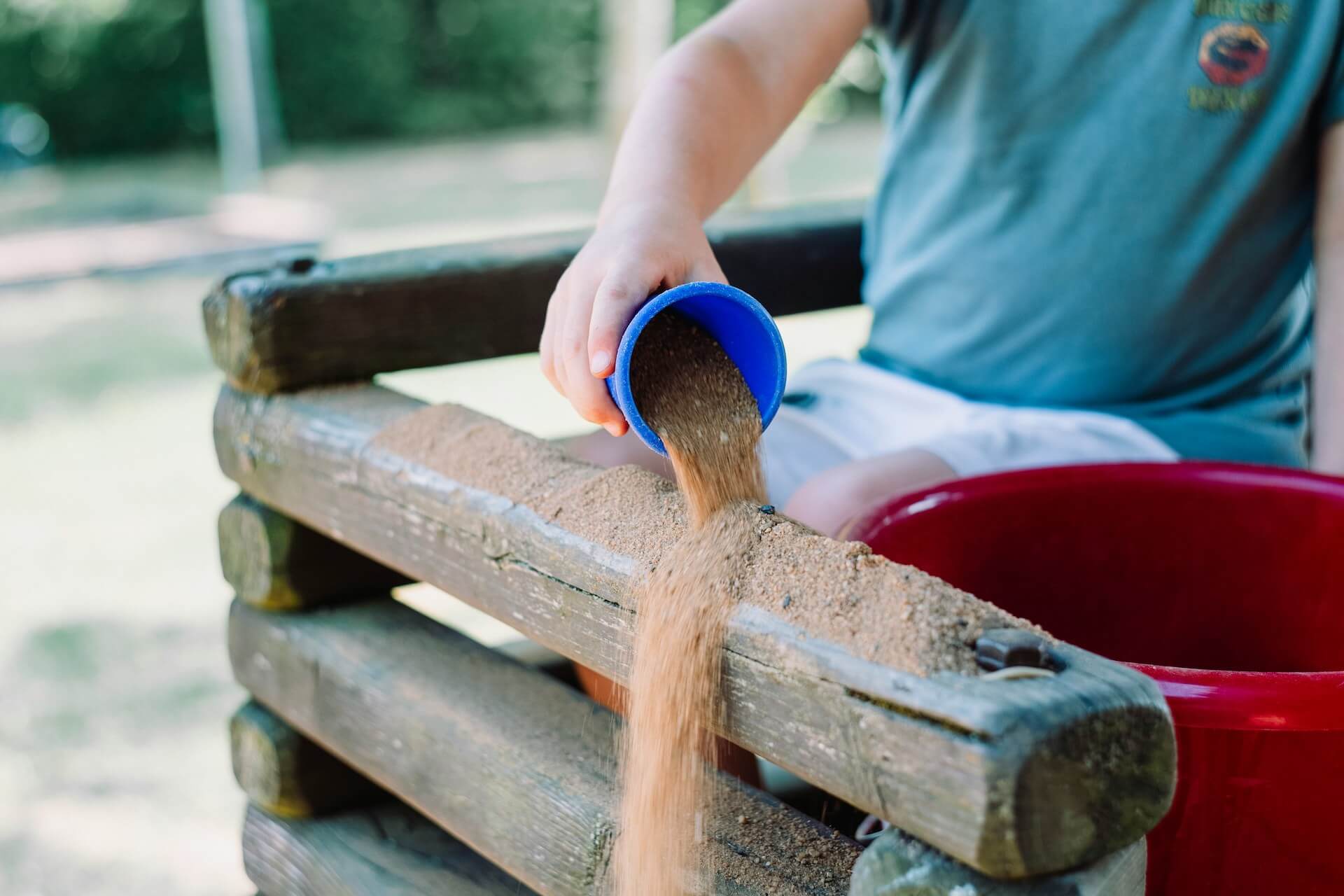
Sensory bins are an amazing approach to give kids a tactile experience. You can load these bins with anything from rice to sand to dry pasta to water beads, which are easily accessible and safe materials, and also include little toys, scoops, and textured objects to stimulate interest and discovery.
Because of their simplicity, sensory bins are an excellent option for residential homes. They are affordable, simple to set up, and can be customised to a child’s particular sensory preferences. They can even be designed to suit children who like messier play when loaded with foam, shaving cream, or jelly.
You can find ideas here to make your own sensory bins.
Activities involving Art and Craftsmanship
Art is an excellent way to give children a means of expression. Such creative pursuits could include painting, clay modelling, and collage creation. While clay modelling improves fine motor skills and hand coordination, finger painting lets kids investigate textures and colours in an uninhibited manner.
Giving kids different materials—fabric scraps, buttons, feathers, and natural objects like leaves and twigs—helps them to create original artwork and stimulates their sense of touch. Art activities also offer chances for social interaction among children. Consider helping them create projects and then sharing their work with carers.
Children often enjoy investigating sound and rhythm through music-based activities. Dancing can help children express themselves physically, enhancing their coordination and spatial awareness, and it can be fun to try different music genres for lots of variation.
Drummers, maracas, and tambourines, amongst other percussion instruments, offer a hands-on sound experience.
Yoga, stretching, or guided movement activities help youngsters acquire body awareness and develop relaxation techniques. Children who suffer from restlessness or anxiety may find particular benefit from these sessions.
There are multiple ways to offer sensory experiences if an outdoor setting is available. Children can investigate many textures underfoot, hear the sounds of birds and rustling leaves, and feel the fresh air on their skin during nature walks.
Sand and water play are often used to promote sensory discovery. Children’s fine motor skills improve as they dig in the sand, feel the grains between their fingers, and pour water between several containers—all this offers a wide variety of textures.
Gardening projects, such as flower planting, soil handling, and herb scent exploration, expose children to natural sensory experiences. Even better, interacting with the natural world has been found to lower stress and advance general wellness.
See this page for more outdoor sensory activity inspiration.
Best Practices for Implementing Sensory Activities
Children’s home managers could consider the following best practices to maximise the potential of sensory activities:
Evaluating each child’s personal needs guarantees that activities are catered to the tastes and sensitivity of every child. Certain textures or sounds may be triggering to some children; thus, it’s crucial to monitor how they respond and modify the activities.
Including sensory play in regular activities gives children in care environments consistency—which is essential for stability. Children can learn to self-regulate and interact with their surroundings in a controlled way, something further enhanced by scheduled sensory breaks during the day.
Understanding sensory play techniques can help staff members ensure safer and more efficient application of activities. Carers need to be aware of the need for sensory play and be trained to help motivate and engage children, as well as have a keen understanding that sensory involvement is important for development.
Last but not least, building an inclusive and friendly environment where kids feel able to explore at their own speed promotes good involvement. It’s better for children to have the option to participate in sensory activities when they’re ready and in their own time, rather than this being forced.
Have you recently assessed the sensory activities your residential home provides? You may find you are already doing many activities without realising, but it’s worth considering them all and evaluating for any gaps in the program, ensuring all five senses are catered for. Cucumber Recruitment can supply staff at short notice or long term who are trained in such activities; feel free to get in touch with us to discuss your recruitment needs further.